
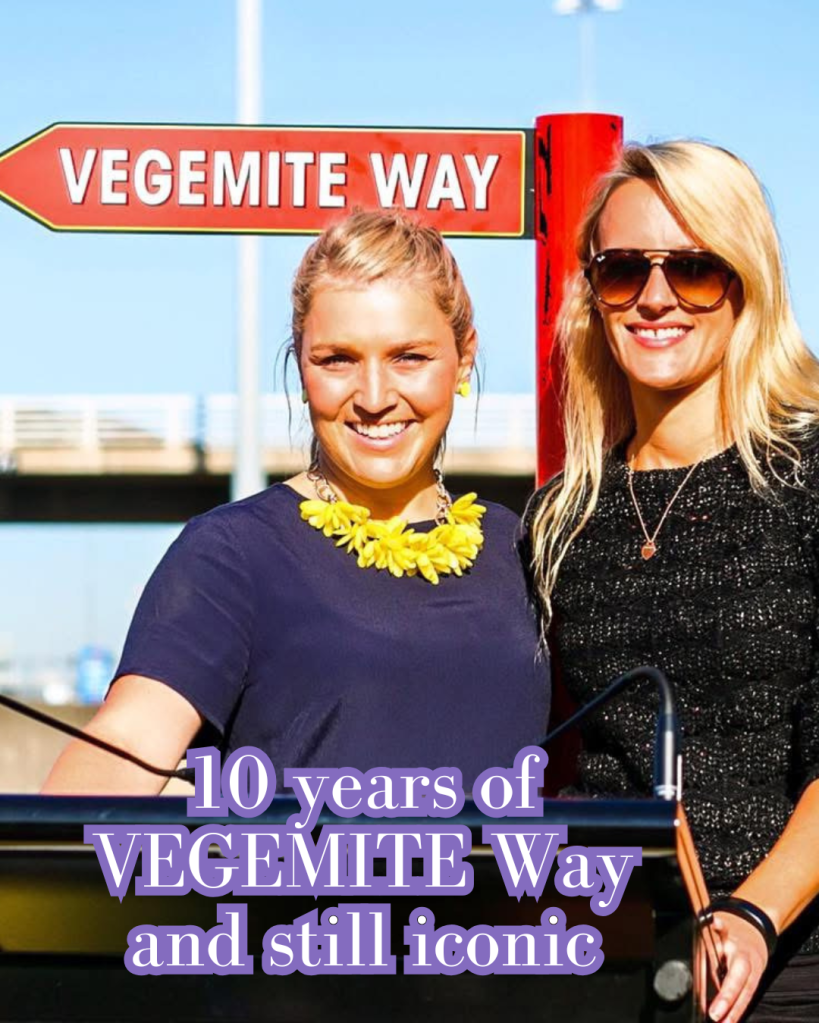
Back in 2016, I was working as the Social Media Manager on VEGEMITE during what now feels like a very specific and very formative chapter of social media marketing. Today marks 10 years of VEGEMITE Way officially being VEGEMITE Way, and honestly, it still feels just as iconic. There are certain brand moments that stay with you because they were fun, successful or loud. And then there are the ones that stay with you because, years later, you realise they taught you something much bigger about branding, culture, timing and the way audiences actually connect. VEGEMITE Way was one of those moments for me.
At the time, social media for brands was still in a very early stage compared to what we now take for granted. This was not the era of polished content calendars, overproduced TikToks, layered creator ecosystems and established platform playbooks. Back then, much of it was still being worked out in real time. Brands were learning publicly. Platforms were evolving quickly. And the people working inside it all were trying to understand, almost on the fly, what social media could actually become for brand building. Looking back, that is probably what made it so exciting. It felt like the rules had not been fully written yet.
We were part of Instagram’s early pilot program for approved brands, which at the time felt genuinely groundbreaking. It is hard to explain now just how significant that was unless you were working inside social media back then. Access to analytics, reach, engagement and KPI visibility was not just a standard expectation in the same way it is now. It felt new. Useful. Strategic. We were no longer posting and hoping for the best. We were starting to see what was landing, what people were responding to, and what kinds of brand content actually had traction. That shift mattered because it changed the role of social from simply being a place to publish into something much more dynamic. It became a place to test, to observe, to shape and to build from.

At the same time, we were managing a Facebook page with more than 500,000 followers, and media budgets of over $500,000 a year purely for reach and engagement posts. So the scale was real. This was not a quiet little experimental account in the corner of the internet. There were significant expectations around performance, visibility and content output. The pace was fast and the pressure was there, but so was the opportunity. It was one of those rare periods where the commercial side of brand marketing and the creative side of experimentation were both moving at full speed, and if you were in the middle of it, you could feel that something bigger was happening.
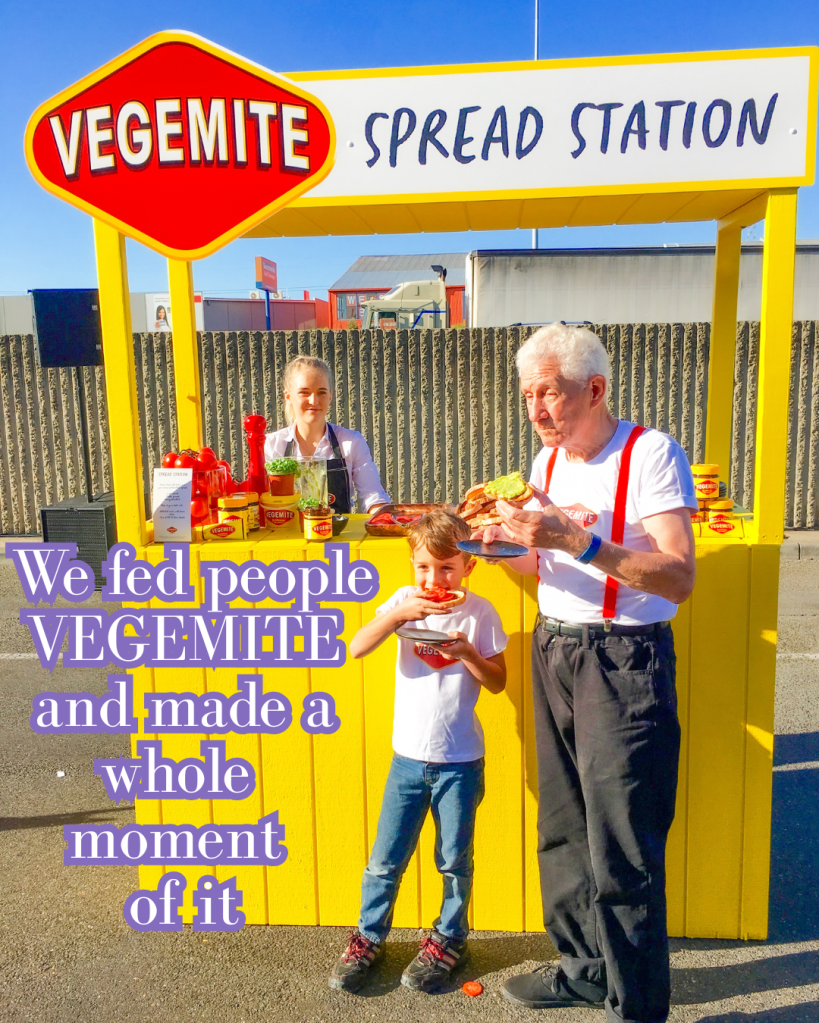
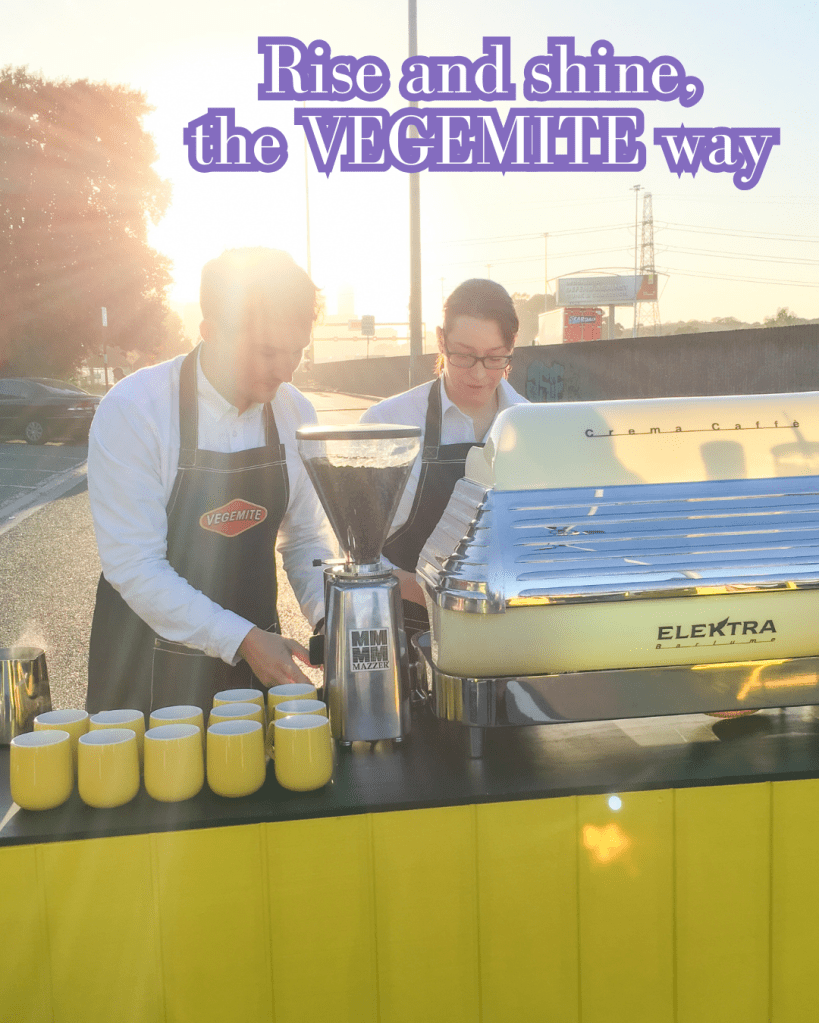
Then came VEGEMITE Way. And it really was a whole thing. We had news cameras. We had members of the public who had won tours of the factory and merchandise. We had the road shut down. We had people being fed VEGEMITE. We had content being captured in real time. We had a full PR moment wrapped around one of Australia’s most recognisable brands. It had that very particular 2016 energy where a brand activation could still feel highly visible, fast-moving and deeply fun all at once. There was buzz. There was movement. There was that sense that something was happening beyond the brand’s owned channels and out in the real world, where people could physically see it, experience it and remember it.
Because Facebook Live was also only just getting started, I set up the live stream from my iPhone and we rolled with it. That part makes me laugh now because it sounds so basic by today’s standards, but at the time it was early, raw and absolutely not polished. There was no neat production formula. No perfectly templated behind-the-scenes content strategy. It was immediate. It was imperfect. It was happening as it happened. In hindsight, it was probably much closer to the energy of TikTok than a lot of the content that came after. It had that sense of being in the moment rather than describing the moment after the fact.
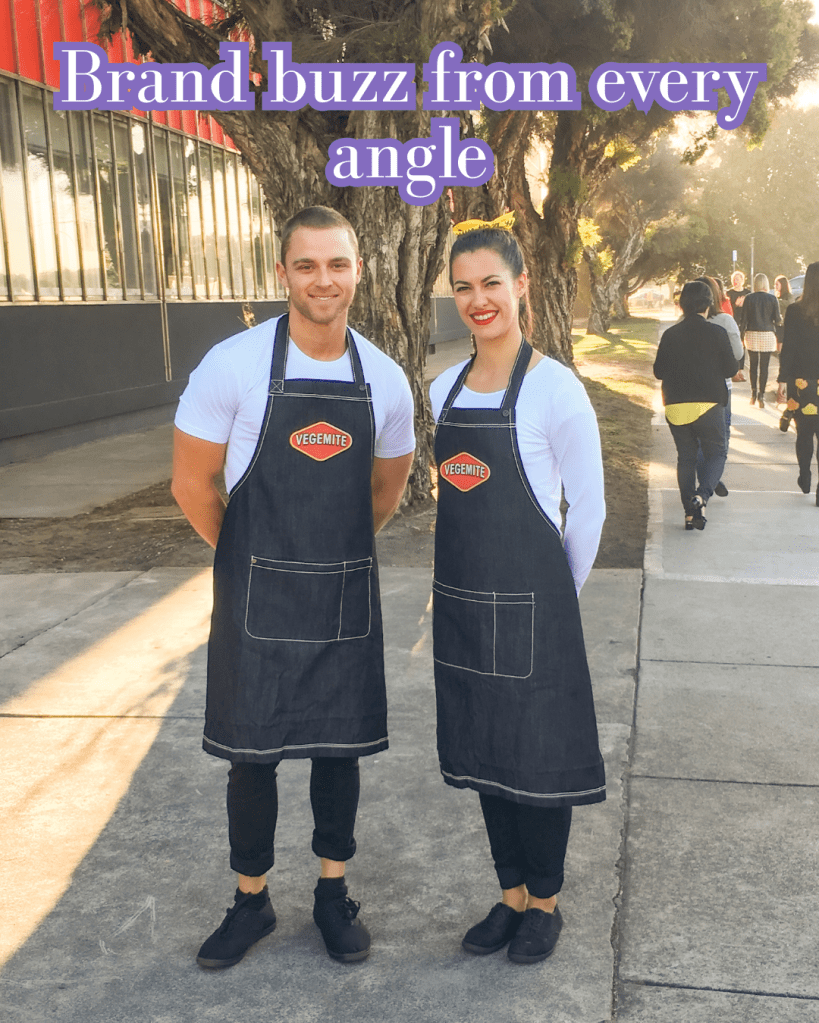
That is one of the things I think about most when I look back on that chapter. So much of what is now considered smart, contemporary brand content was once just instinct, speed and a willingness to try something before there was proof it would work. Back then, social still had an edge to it. It was less rehearsed. Less crowded. Less flattened by sameness. There was more room for experimentation, and if you were lucky enough to be working on a brand that was willing to move early, you got a front-row seat to that evolution.
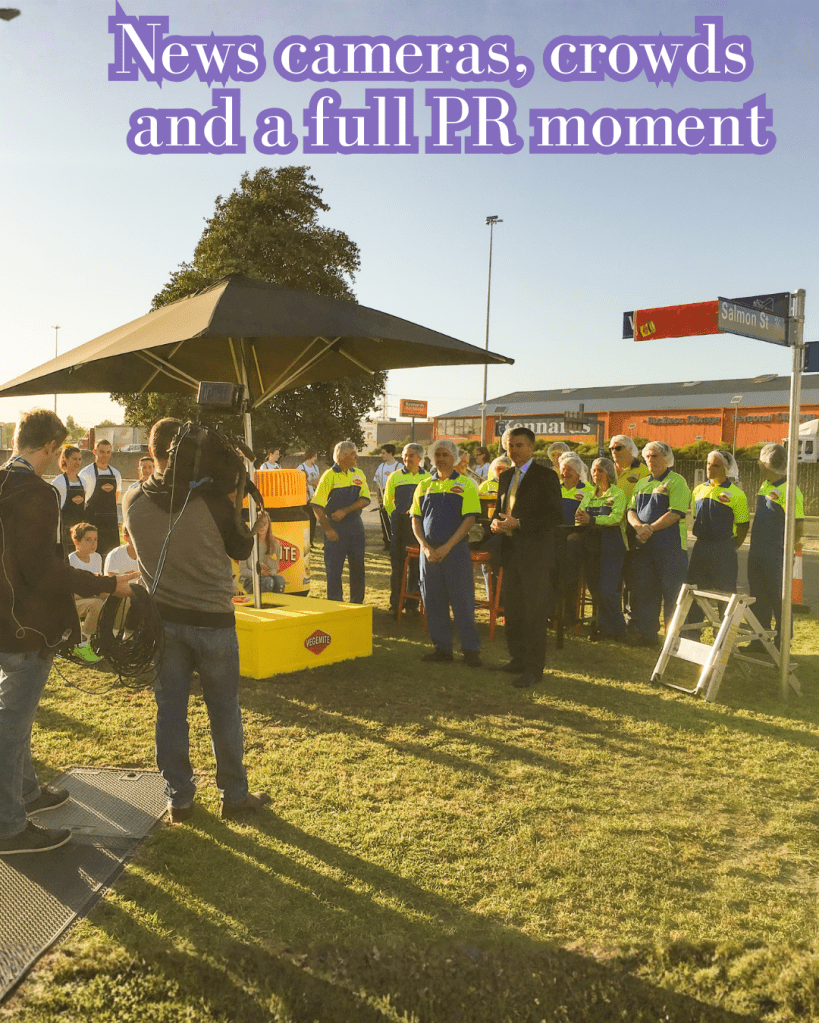
What that period taught me, more than anything, was that great brands do not just advertise. They adapt, they lead and they stay culturally alive. That whole experience taught me everything I know about branding and how it evolves, because when you are working at the edge of platform change, you see very quickly that attention is not enough on its own. Reach is not enough. Even engagement is not enough if there is no meaning underneath it. What matters is whether a brand knows how to move with culture without losing itself. Whether it can show up in a way that feels current without feeling desperate. Whether it can be remembered not just because it was loud, but because it made people feel something.
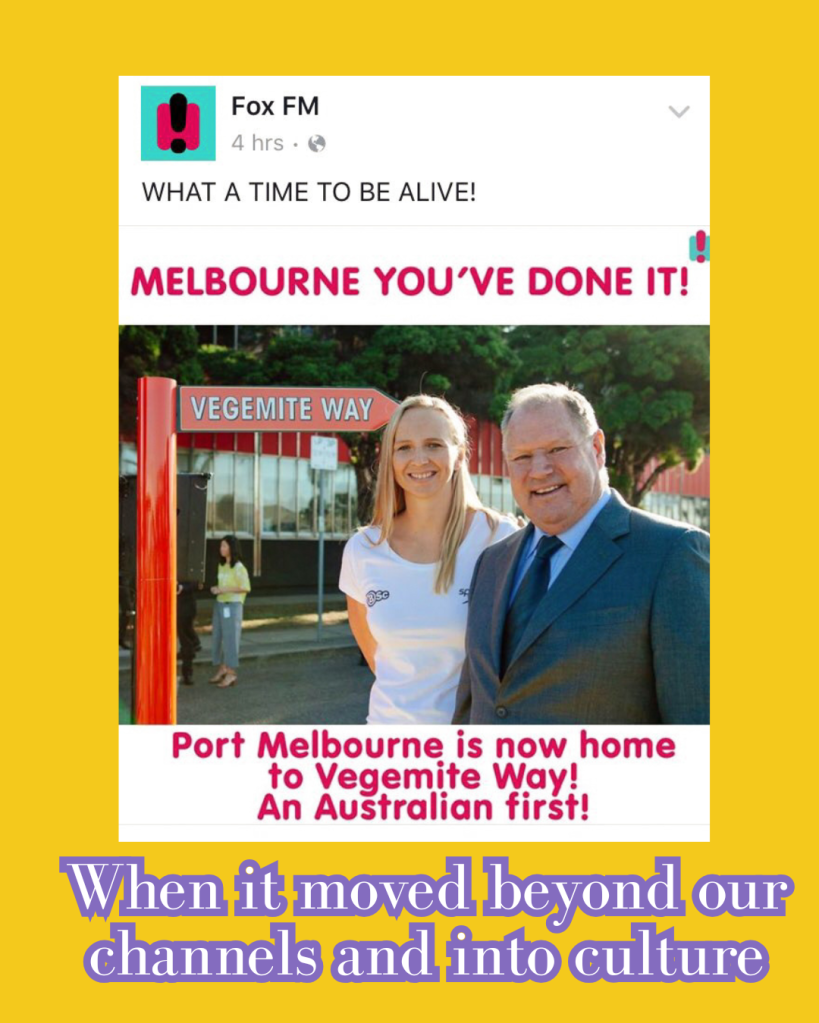
VEGEMITE has always had that rare quality of being more than just a product. It is cultural. Emotional. Familiar. Slightly divisive, which of course only helps. It is one of those brands that already lives inside the Australian psyche before any campaign even begins. But being part of the team bringing a moment like VEGEMITE Way to life taught me that iconic brands still need to keep moving. Heritage alone is not enough. Recognition alone is not enough. Even the most established brands have to continue finding new ways to live in the present if they want to stay relevant into the future.
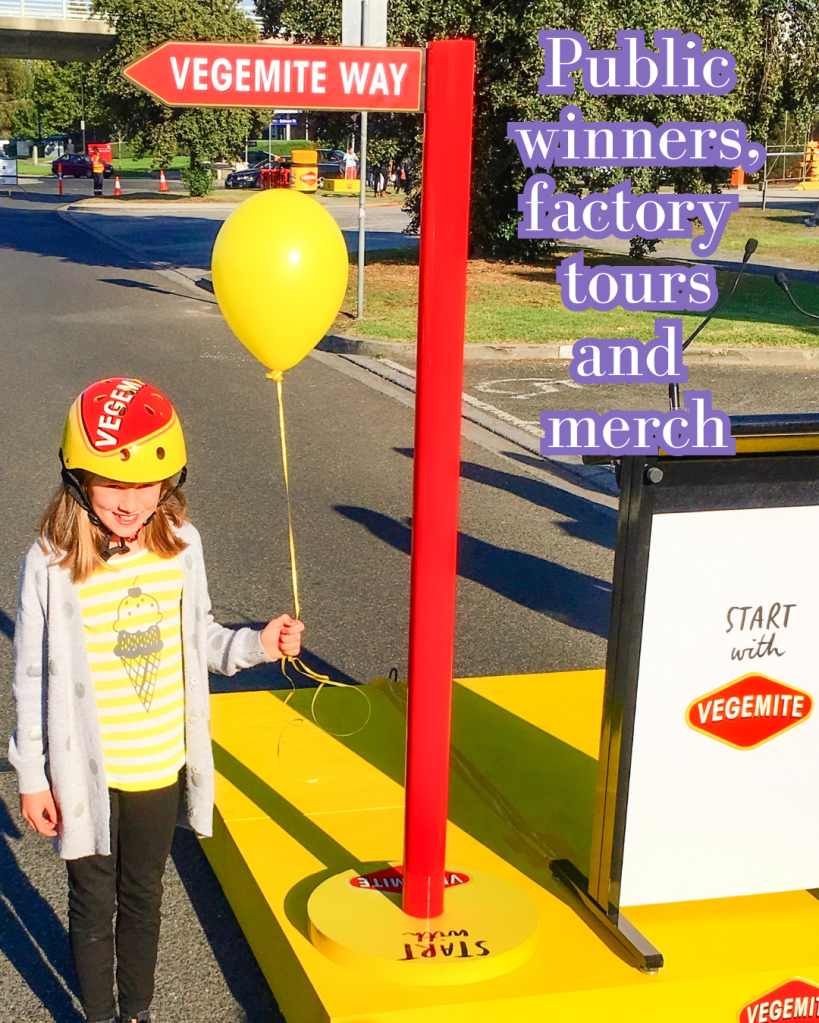
That is probably why VEGEMITE Way still hits differently 10 years on. It is not just because it was a clever naming moment or because it generated PR or because it made for good content. It is because it became part of the physical and emotional footprint of the brand. It is where the factory is. It is where the brand quite literally lives. And now, a decade later, it still stands as this strange and wonderful reminder that some campaigns do not just perform for a season and disappear. Some become part of the brand story in a much more permanent way.

I think that is what I love most about looking back on this chapter now. At the time, you are often too busy inside the work to fully appreciate what it is teaching you. You are moving quickly, solving problems, trying to execute well, trying to keep up with the pace of change. It is only years later that you can look back and realise you were standing in the middle of something important. Not just for your own career, but for the way an industry was shifting around you.
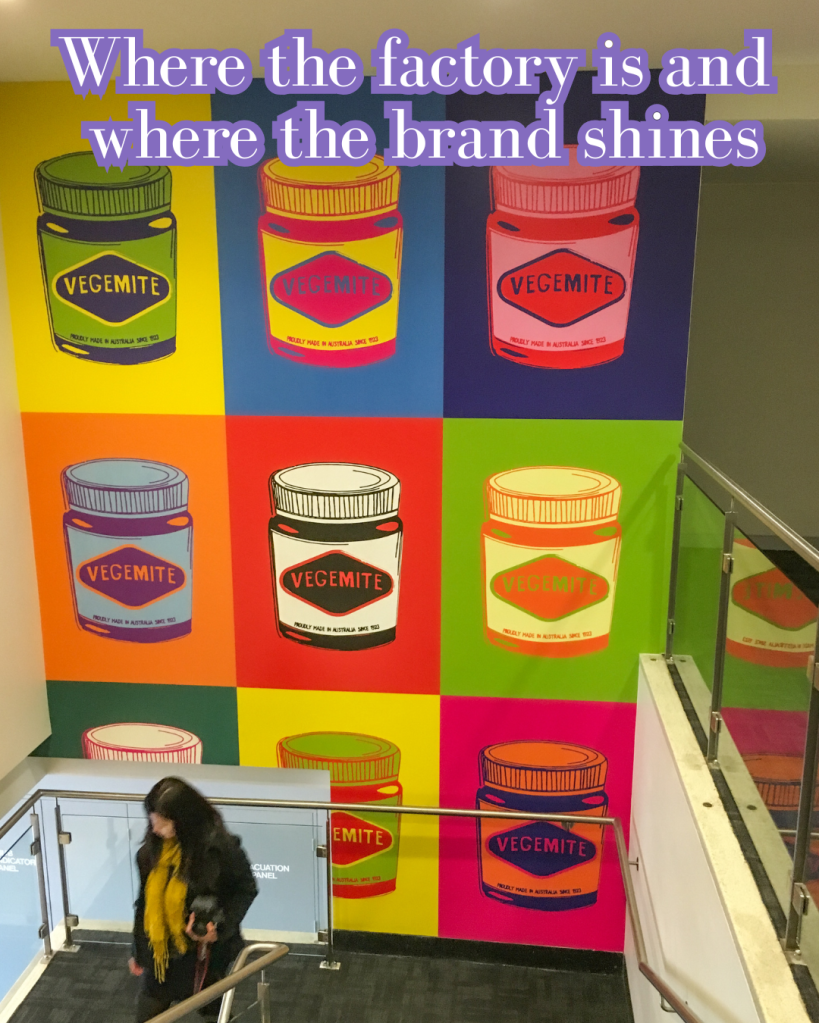
For me, VEGEMITE Way was not just a campaign and not just a throwback. It was one of the clearest examples of what happens when a brand moves early, understands culture, embraces experimentation and shows up in a way people actually remember. It was a reminder that branding is never static. It evolves with platforms, with behaviour, with technology and with taste. But the brands that last are the ones that know how to evolve without losing the essence of what makes them distinctive in the first place.

Now, 10 years on, VEGEMITE Way is still VEGEMITE Way. Still iconic. Still home to the factory. Still carrying that unmistakable presence of the brand into the future. And for me, it remains one of the most fun, formative and genuinely educational chapters of my career. Not because it was perfect, but because it was early. Because it was cutting edge. Because it was being figured out in real time. And because it taught me that the best branding does not just chase attention. It creates moments that stay alive long after the post is gone.






Do you agree?